Uganda is known to the world as the pearl of Africa due to the serene beauty of the valleys, lakes, and mountains. According to the World Factbook, Uganda is home to 47,729,952 people. Uganda is filled with a rich culture of food, music, and art. Murchison Falls National Park and Bwindi Impenetrable Forest are renowned tourist destinations where people from all over the world can experience the beauty that is Uganda. And although there are many positive aspects to life in Uganda, the prevalence of Gender Based Violence among its population is a concerning issue.
What is Gender-Based Violence (GBV)?
Definition and Prevalence
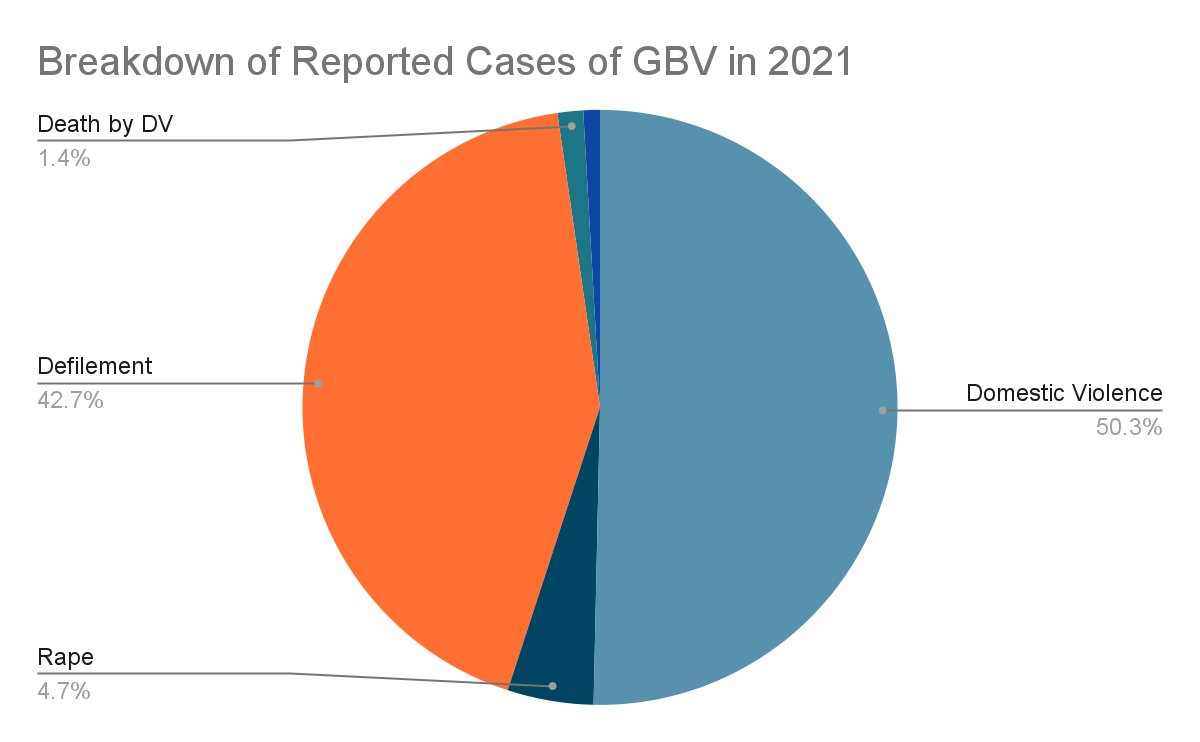
According to the UNHCR, the UN Refugee Agency, Gender-based violence refers to harmful acts directed at an individual based on their gender. Worldwide, 1 in 3 women will be physically or sexually abused in their lifetime. In a 2021 Ugandan crime report, 16,242 cases of gender-based violence were recorded.
Types of GBV
Interpersonal Violence (IPV)
IPV is defined as behavior by an intimate partner or ex-partner that causes physical, sexual, or psychological harm, including physical aggression, sexual coercion, psychological abuse, and controlling behaviors.
51% of women in Uganda have been abused by an intimate partner in their lifetime.
Sexual Violence
27% of women in Uganda experience sexual violence – and of those, 55% are under the age of 19.
Sexual Harassment (SH)
According to the Equal Employment Opportunity Commission, SH includes unwelcome sexual advances, requests for sexual favors, and other verbal or physical harassment of a sexual nature in the workplace or learning environment.
Rape
Rape is defined as an unlawful act of sexual intercourse with a person without their consent.
Femicide
The intentional killing of a woman or a girl because she is a woman or a girl. The gender-related motivation for the killing may range from stereotyped gender roles and discrimination towards women and girls to unequal power relations between women and men in society
In 2021, around 45,000 women and girls worldwide were killed by their intimate partners or other family members (including fathers, mothers, uncles, and brothers).
Human Trafficking
A global crime that trades in people and exploits them for profit. Physical and sexual abuse, blackmail, emotional manipulation, and the removal of official documents are used by traffickers to control their victims.
1,200 reported incidents of human trafficking, at least 526 of which involved exploitation in Uganda, and at least 63 involved exploitation abroad; the remaining incidents involved unspecified forms of trafficking.
Female Genital mutilation
Procedures involving partial or total removal of the female external genitalia or other injury to the female genital organs for non-medical reasons.
UNICEF reports that 0.3% of girls and women aged 15 to 49 years living in 31 countries have undergone genital mutilation.
Forced marriage/Child marriage
Child marriage is any marriage where at least one of the parties is under 18 years of age; forced marriage is any marriage in which one and/or both parties have not personally expressed their full and free consent to the union.
34% of Ugandan women aged 20 to 24 years were first married or in union before age 18.
Online violence
- Cyberbullying involves sending intimidating or threatening messages online.
- Non-consensual sexting: sending explicit messages or photos online without the recipient’s consent.
- Doxing: public release of private or identifying information about the victim.
In Uganda, in 2021, 49 % of women reported being involved in online harassment at some point in their lifetime.
Groups At Risk
Women and Girls
Societal gender norms play a significant role in the prevalence of gender-based violence in Uganda. According to the Uganda Demographic and Health Survey, 58% of women and 43.7% of men aged 15-49 accept that a husband is justified to hit or beat his wife for burning food, arguing with him, going out of home without telling him, neglecting children or refusing him sexual intercourse. Societal gender norms also hinder the ability of women to claim their land. In eastern Uganda, approximately 80 percent of women report experiencing violence when claiming their land rights.
Refugees
1.4 million refugees call Uganda home. Many refugees have been displaced from their country due to war, lack of clean water, and food shortages. Uganda has set a standard for other countries with its open-door asylum policies and allowing refugees to access the same resources as native people, such as schools and health centers. Refugees have relocated to Uganda from more than eight different countries, with 57% originating from South Sudan and 31.7% from the Democratic Republic of the Congo.
Women and children living in hosting and refugee communities are at risk of GBV due to a lack of resources for food and land for farming, substance abuse, discriminatory gender roles, and social norms that reinforce the acceptance of violence.
LGBTQ Community
The LGBTQ+ community living in Uganda faces an increased risk for Gender-Based Violence due to the Ugandan President’s new anti-LGBTQ law. Same-sex conduct was criminalized in 2023 when a bill was signed into law by President Yoweri Museveni. Those convicted of “aggravated homosexuality” could potentially face the death penalty.
How can we take action against Gender-Based Violence Now?
- Support grassroots organizations that are on the ground working to address the challenges of GBV that Uganda faces. Here are a few:
- The Peace Centre
- Ceresav
- Center for Women Justice Uganda
- Just Like My Child Uganda
- Refugees Together For Social Transformation
- Youth and Women for Opportunities Uganda (YWOU)
- Rape Hurts Uganda
- Frauen Initiative Uganda
- Mifumi
- Centres For Her
- Research and Implement the SASA Method in your own work
- SASA means “now” in Kiswahili and is an acronym for the approach’s four phases: Start, Awareness, Support, and Action. While SASA! has evolved over time, there are core components that remain consistent, supporting organizations and communities to explore concepts of power, violence, and safety.
- Spread the word about The Global Foundation for Girls (GFG).
- At GFG, we are dedicated to uplifting grassroots organizations that provide support and resources to their communities. The goal at GFG is to collaborate with organizations in our network to provide toolkits, training, and additional resources to support the missions of organizations. Follow us on Facebook, Instagram, and Linkedin.